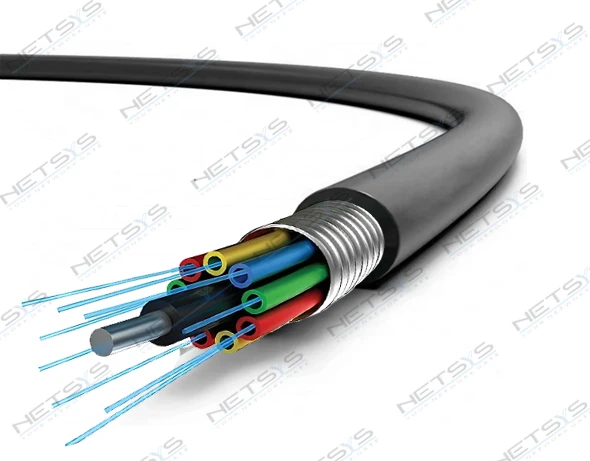
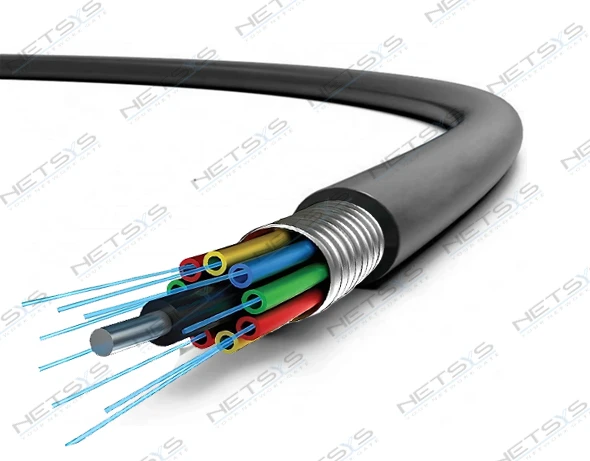
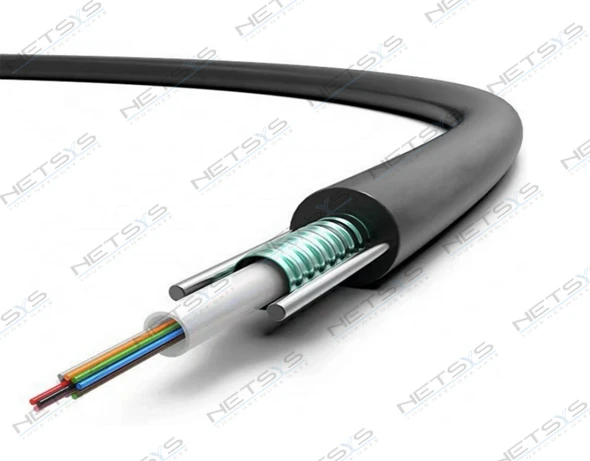
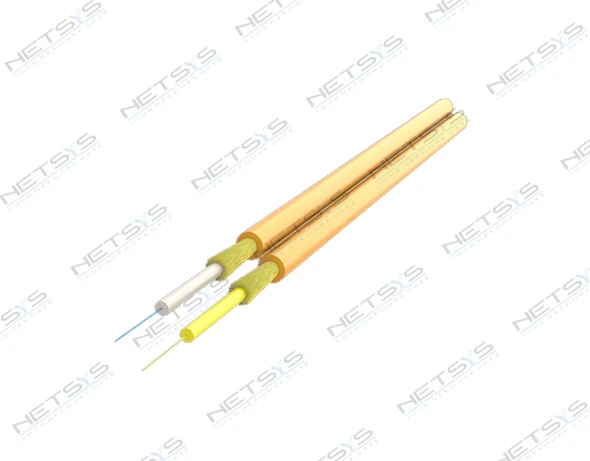
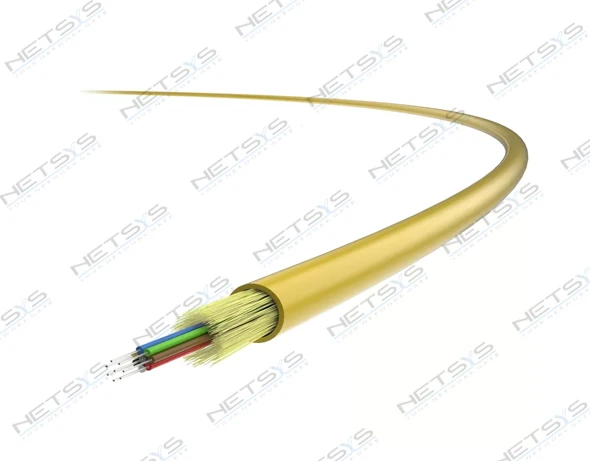
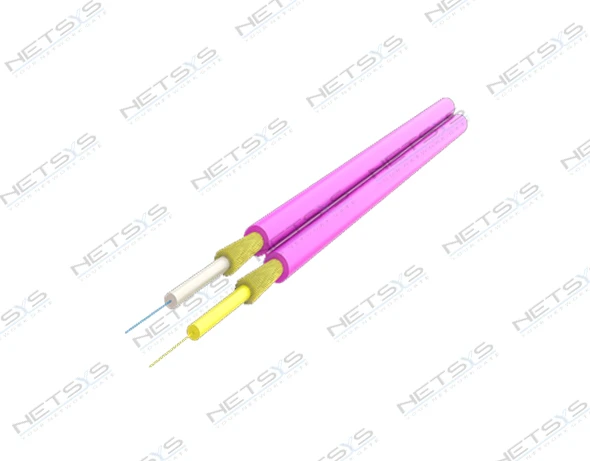
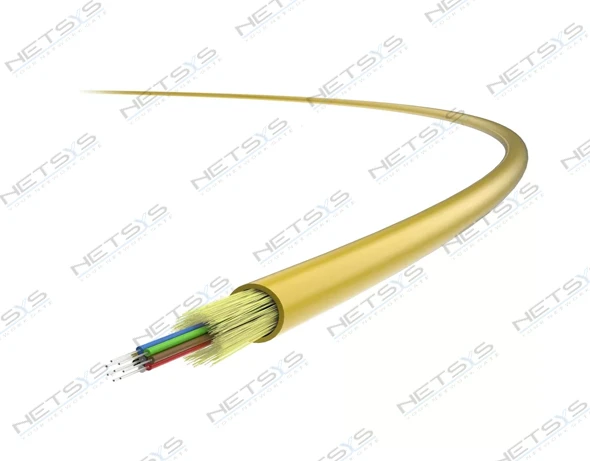
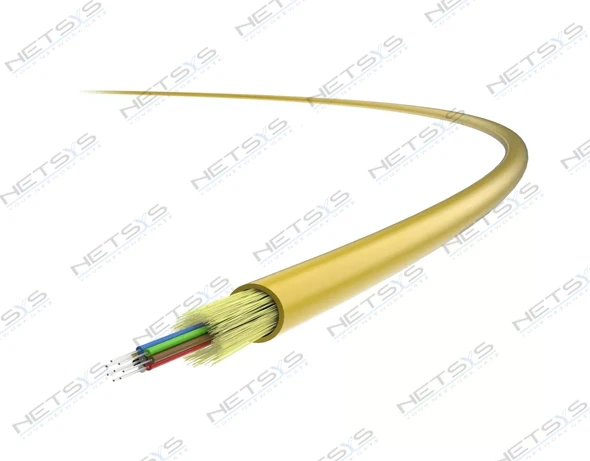
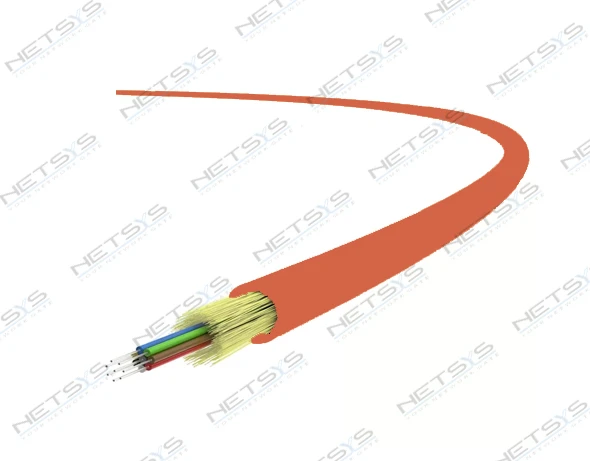
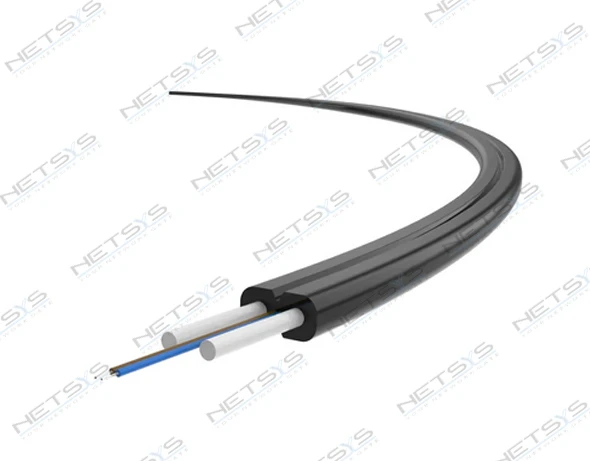
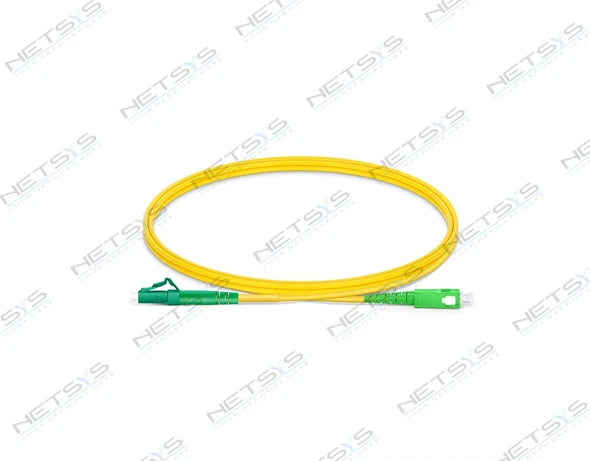
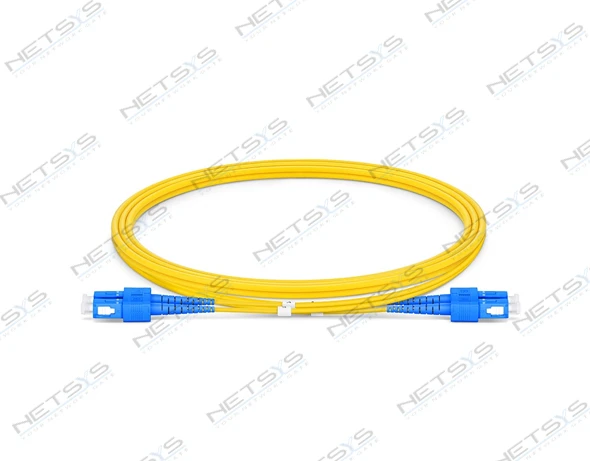
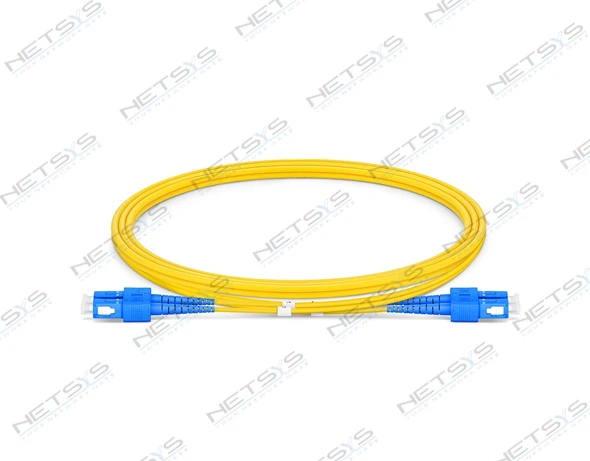
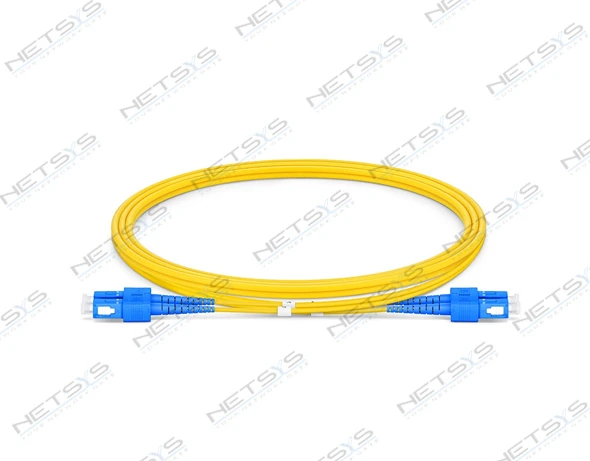
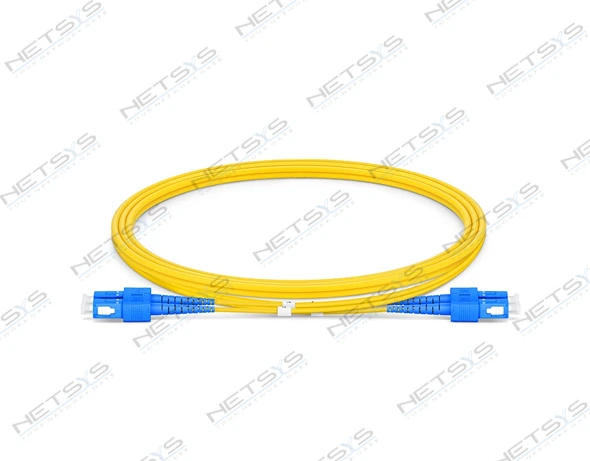
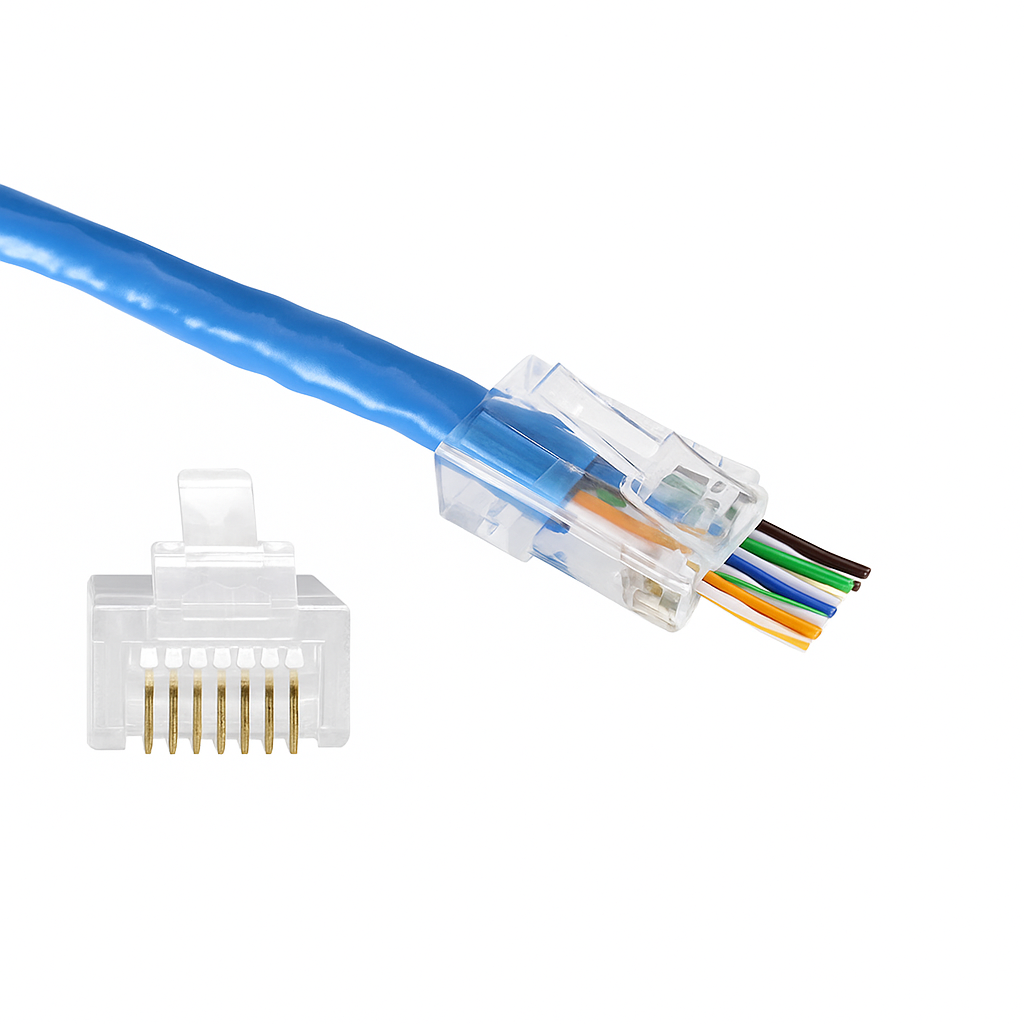
What do you know about Indoor fiber optic?
Did you know that fiber cables can send data at up to 10 Gbps? This changes how we talk and get information.
As we need faster internet more and more, indoor fiber connectivity is the choice for homes and offices. We’ll see how indoor fiber-optic cable setups can improve your network, delivering faster, more reliable speeds.
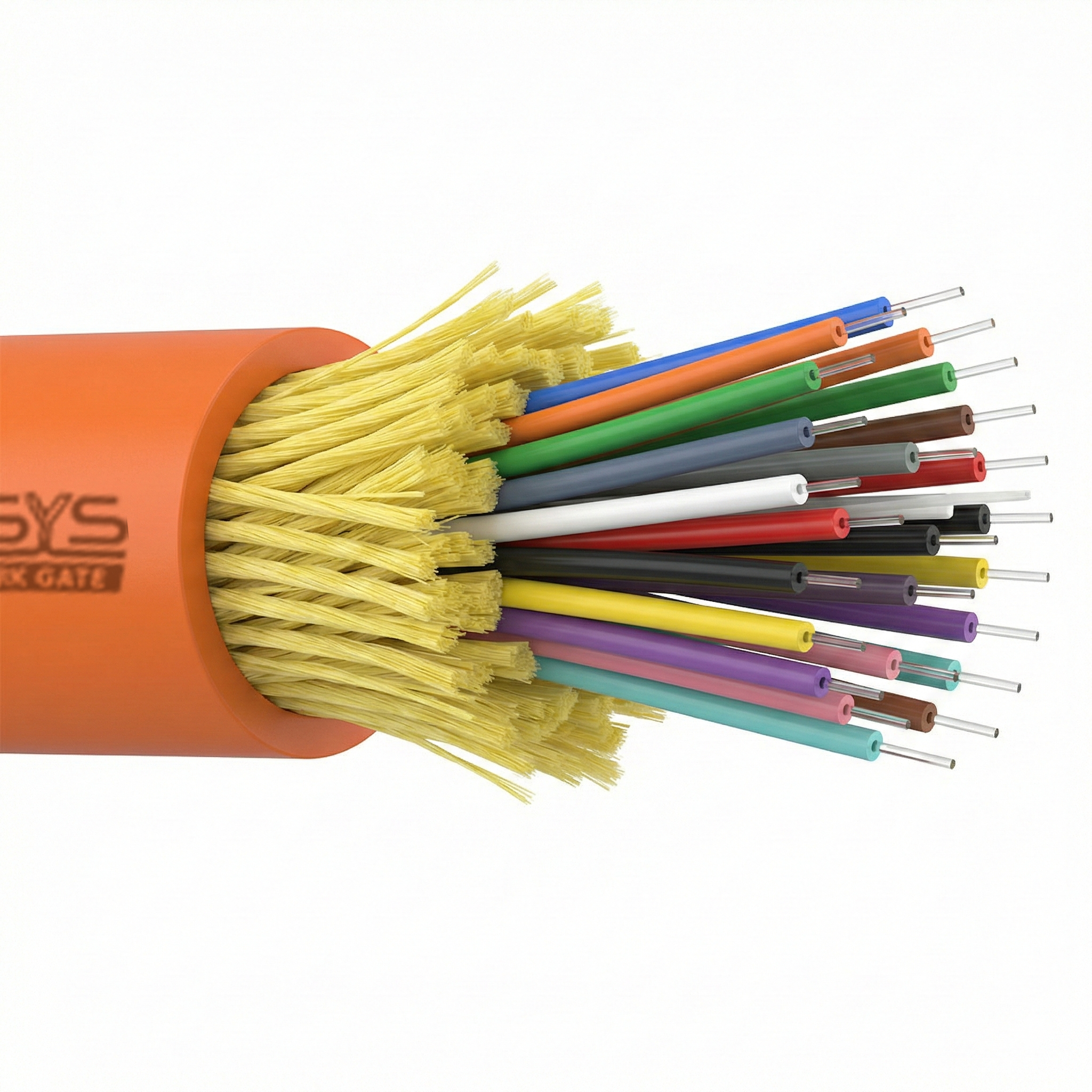
Learning about fiber optic solutions helps you choose the right upgrade for your network. Here, we’ll start with what indoor fiber is and why it matters today.
Key Takeaways
- High-speed data transmission with fiber cables
- Indoor fiber cable technology for enhanced network reliability
- Benefits of upgrading to fiber cablesolutions for homes and offices
- Understanding the significance of indoor fiber in the digital age
- Improved network infrastructure with indoor fiber cable installations
The Power of Optical Fiber Technology
Fiber optic technology is changing our digital world with its fast speeds and reliability. As we use high-speed internet more, it’s key to know how it works.
What Is Fiber Optic Technology?
Optical fiber technology sends data through thin glass or plastic fibers using light. This way, it offers much higher bandwidth and faster data transfer than old methods.
How Light Transmits Data
Data is sent through fiber cables by turning electrical signals into light. This light travels through the cables, designed to keep the signal strong. This method ensures high-speed data transfer over long distances without losing much quality.
-
Comparing Fiber Optics to Traditional Copper
Looking at fiber cable versus traditional copper cables, we see many benefits:
- Higher bandwidth and faster data transfer rates
- Longer transmission distances without signal loss
- Enhanced security because it’s hard to tap into fiber cables
- Immunity to electromagnetic interference
These advantages make fiber cables the top choice for modern communication systems. They’re especially good for tasks that need fast data transfer.
Indoor Fiber : A Complete Overview
Exploring indoor fiber technology is key. It’s about high-speed data in buildings or campuses.
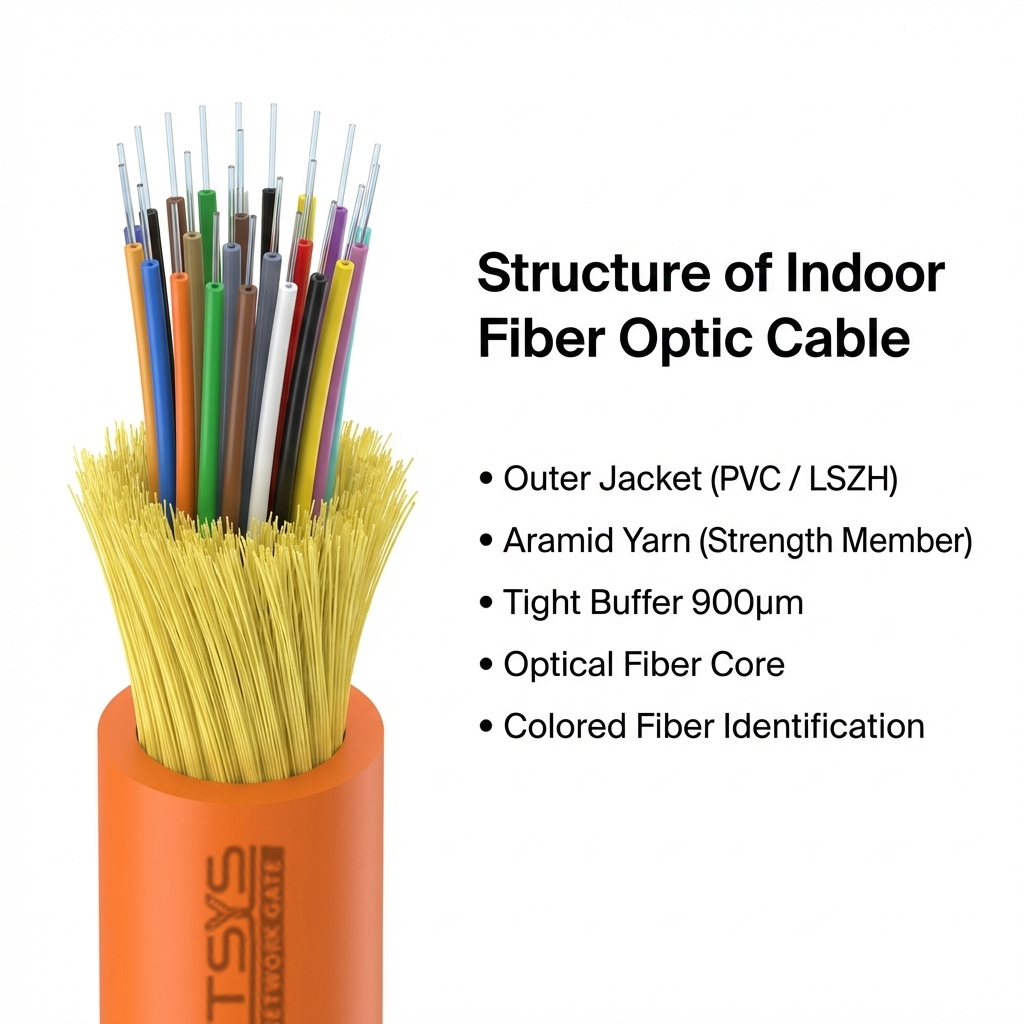
Defining Indoor Fiber Cable Systems
Indoor fiber systems use fiber cables for data. They’re vital for fast and reliable connections in homes and offices.
Historical Development and Advancements
Indoor fiber tech has seen big steps forward. Key moments include:
- Improved cable designs for easier installation
- Enhanced signal processing techniques
- Increased bandwidth capacity
Current State of Technology in Egypt
In Egypt, fiber optic tech is growing fast. Telecoms are investing in fiber to meet internet demand.
Fiber cable is becoming more common in Egypt. It’s needed for faster, more reliable data.
Benefits of Implementing Indoor Fiber Cable Solutions
Indoor fiber technology has many benefits. Knowing these can help you choose the best for your network. It makes your network faster, more reliable, and secure.
Superior Speed and Bandwidth Capabilities
Indoor fiber optic solutions offer exceptional speed and bandwidth. They are perfect for tasks that need fast data transfer. You’ll get faster data and more bandwidth, making work and communication smoother.
Enhanced Reliability and Signal Integrity
Fiber cables resist interference and signal loss well. This means enhanced reliability and signal integrity. Your network will be stable and consistent, key for fast internet users.
Improved Security Features
Indoor fiber solutions have improved security features. Fiber cables are hard to tap without being noticed. This adds a layer of security to your network, keeping your data safe from unauthorized access.
Energy Efficiency and Environmental Benefits
Fiber optic tech is also energy-efficient and eco-friendly. Using indoor fiber solutions can lower your carbon footprint. It helps in making the future more sustainable.
| Benefits | Description |
|---|---|
| Superior Speed | Faster data transfer rates and higher bandwidth |
| Enhanced Reliability | Less susceptible to electromagnetic interference and signal degradation |
| Improved Security | Difficult to tap without detection, providing an additional layer of security. |
| Energy Efficiency | More energy-efficient and environmentally friendly compared to traditional copper-based systems |
Understanding indoor fiber solutions’ benefits helps you make smart choices for your network. You’ll get a faster, more reliable, and secure connection.
Types of Indoor Fiber Cables and Components
It’s important to know the different types of indoor fiber cables and components for a good fiber installation. The right choice of fiber cables and components is key to a network’s success.
Single-Mode vs. Multi-Mode Fiber Cables
Indoor fiber systems use two main types of fiber cables: single-mode and multi-mode. Single-mode fiber cables are for long-distance, high-speed data. They use one light mode. On the other hand, multi-mode fiber cables support many light modes and are for shorter distances.
- Single-mode fibers are great for high-bandwidth needs.
- Multi-mode fibers work well for local area networks and data centers.
Connectors and Termination Options
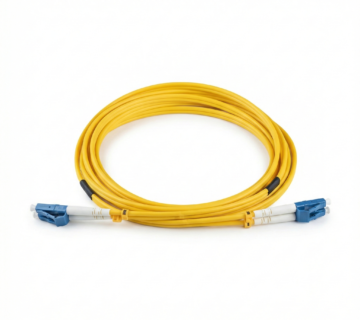
The quality of connectors and termination options greatly affects the fiber network’s performance. Common connectors include LC, SC, and ST.
Distribution Panels and Enclosures
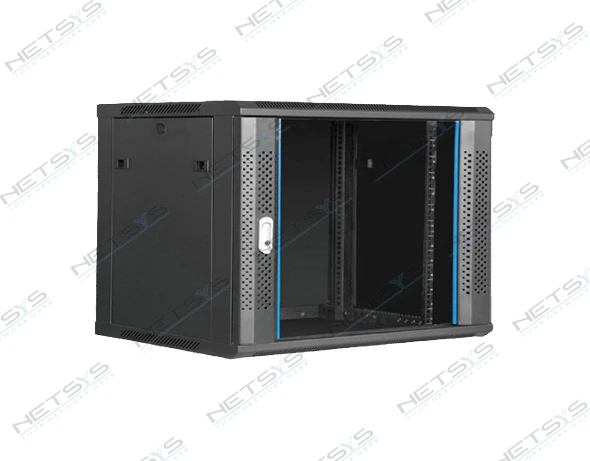
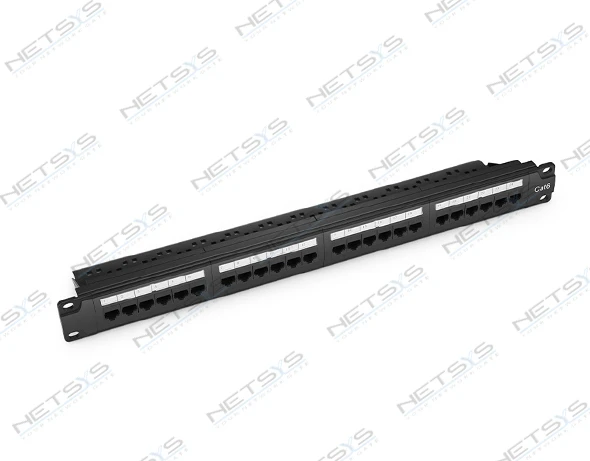
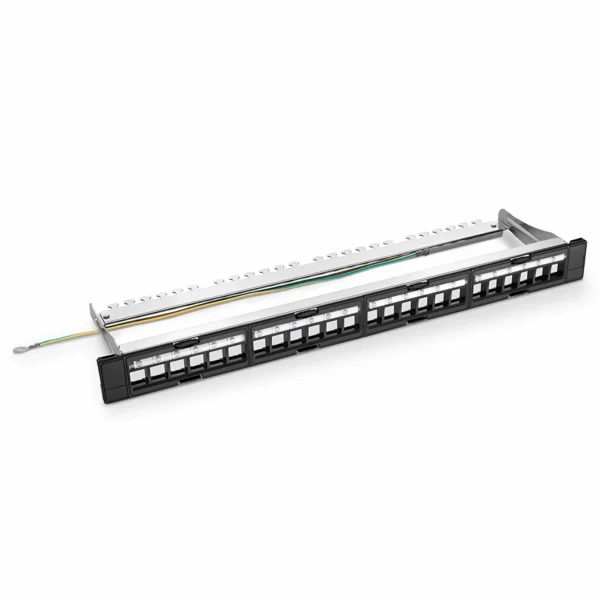
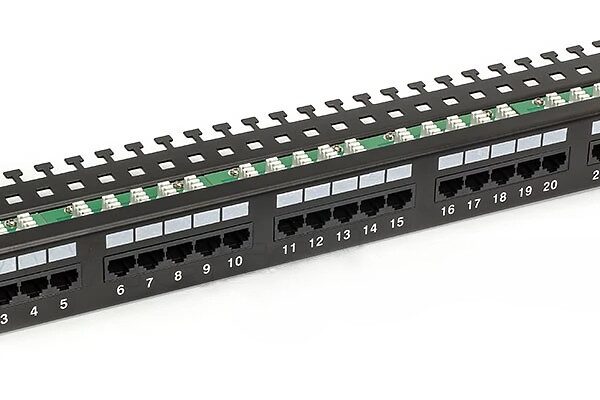
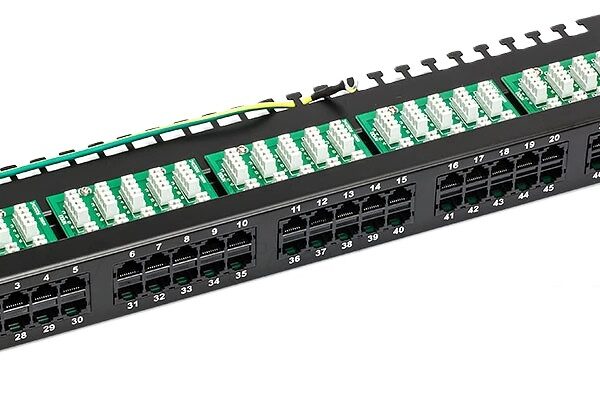
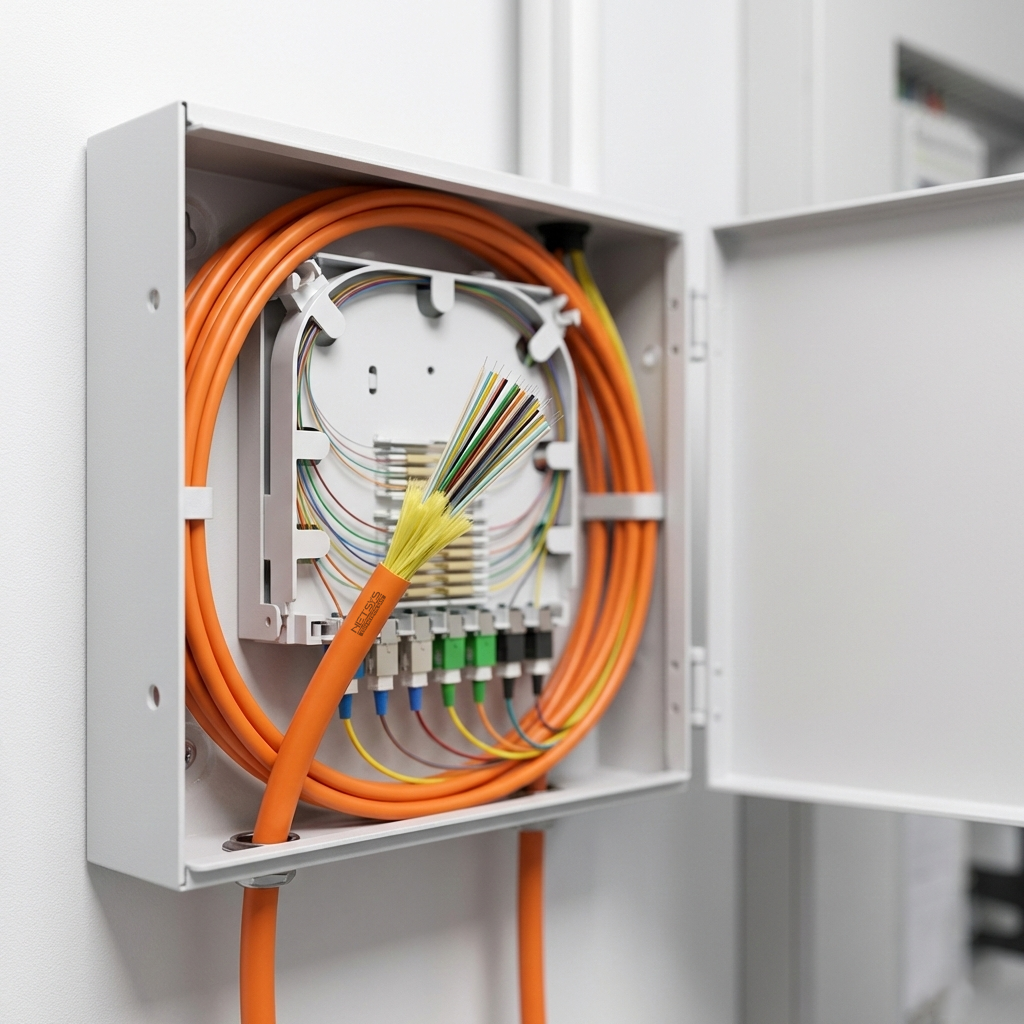
Distribution panels and enclosures are key in managing and organizing fiber cables indoors.
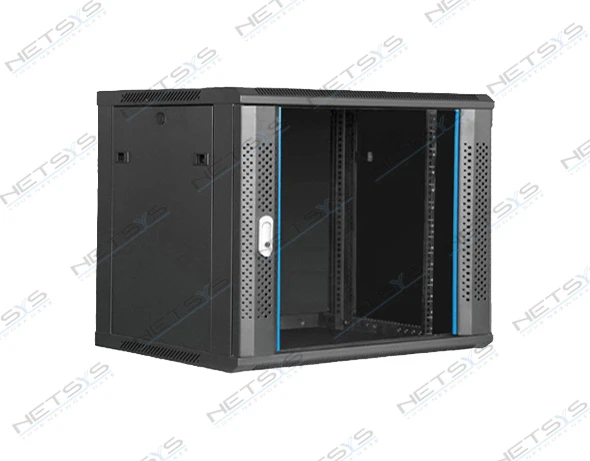
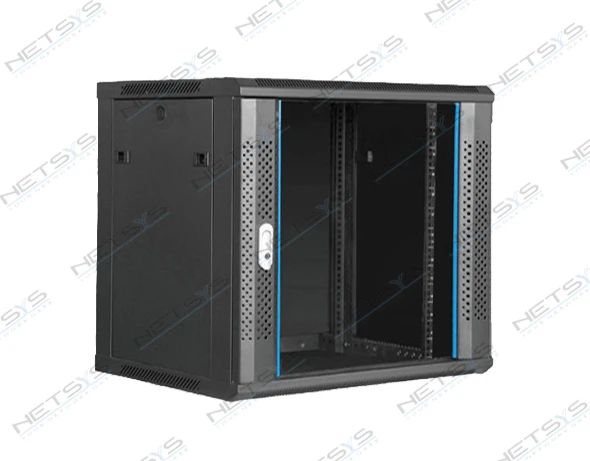
Wall-Mounted Solutions
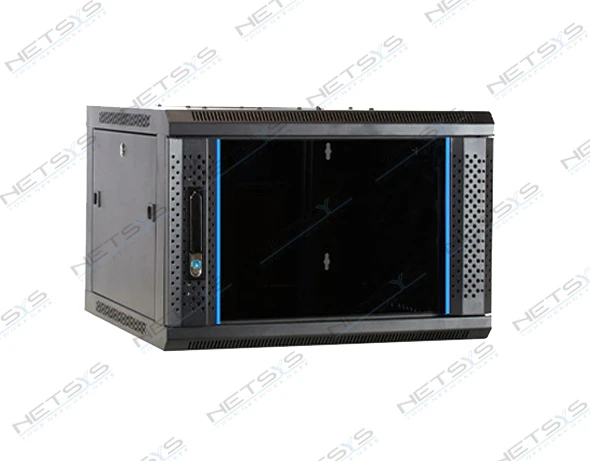
Wall-mounted distribution panels are perfect for small to medium-sized setups. They offer a neat way to manage fiber cables.
Rack-Mounted Options
Rack-mounted enclosures are for bigger, more complex setups. They provide scalability and flexibility in managing fiber cables.
Knowing about the various indoor fiber cables and components helps us create efficient and reliable networks.
Residential Applications of Indoor Fiber Cable
Indoor fiber is changing home networks for the better. It makes the internet faster and more reliable. This is key for our daily lives, where we need quick internet access.
High-Speed Internet and Home Networking
Indoor fiber optic is the key to fast internet and home networks. It supports many devices at once. With indoor fiber solutions, you can stream, game online, and use cloud services without a hitch.
Smart Home Integration and Automation
Indoor fiber connects smart home devices for better control. It manages lights, temperature, security, and entertainment. All these can be controlled from one network.
Entertainment and Media Distribution Systems
Indoor fiber networks send high-definition video and audio to all TVs. This makes watching movies and shows better, especially in big homes.
Security and Surveillance Solutions
Indoor fiber supports top-notch security and surveillance. It offers fast, clear connections for monitoring and recording. This boosts home safety.
| Application | Benefits |
|---|---|
| High-Speed Internet | Faster data transfer, seamless streaming |
| Smart Home Automation | Centralized control, enhanced convenience |
| Entertainment Systems | High-definition video distribution |
| Security and Surveillance | Real-time monitoring, enhanced security |
Knowing how indoor fiber works at home helps us choose better networks. It improves our lives by making internet use smoother and more enjoyable.
Commercial and Office Applications
Businesses today need fast, reliable internet. Indoor fiber tech is key for this. It boosts productivity and cuts costs.
Business Network Infrastructure
Indoor fiber tech is vital for strong business networks. It offers fast data transfer and reliable connections. Indoor fiber applications help companies upgrade their networks.
Data Centers and Server Rooms
Data centers and server rooms are crucial for businesses. They need fast, low-latency connections. Indoor fiber tech provides this, improving performance.
Video Conferencing and Communication Systems
Good communication is essential for business success. Indoor fiber tech supports high-quality video calls. This is vital for remote work.
Building Management and Automation
Indoor fiber tech also helps with building management. It connects security, HVAC, and lighting systems. This makes them easier to manage.
| Application | Benefits of Indoor Fiber Optic |
|---|---|
| Business Network Infrastructure | High-bandwidth connectivity, improved network reliability |
| Data Centers and Server Rooms | High-speed data transmission, reduced latency |
| Video Conferencing and Communication | High-quality video, real-time collaboration |
| Building Management and Automation | Efficient integration of building services, improved control |
Understanding indoor fiber tech’s uses helps businesses. It can improve operations and profits.
Planning Your Indoor Fiber CableInstallation
A well-planned indoor fiber installation is key to a modern, connected space. Before starting, it’s important to know what you need and want.
Assessing Your Needs and Requirements
First, figure out what your space needs. Think about how many people will use it, what they’ll do, and how fast they need to be connected
The Installation Process Step by Step
A successful indoor fiber installation needs a clear plan. It starts with a detailed site survey. This first step is key to finding the best cable paths and avoiding obstacles.
Pre-Installation Site Survey and Preparation
We start by surveying the site before we begin. We look at the building’s layout and find the best cable routes. We also check if we can use any existing infrastructure.
Cable Routing and Management Techniques
Good cable routing and management are vital. We use different methods to keep cables tidy. This includes using conduits, cable trays, or securing them to walls and ceilings. It helps prevent signal loss and cable damage.
“Proper cable management is not just about aesthetics; it’s about ensuring the reliability and performance of the fiber network.”
Termination and Connection Methods
After routing, we focus on terminating and connecting the cables. We prepare the fiber ends, install connectors, and splice the fibers. High-quality connectors and precise procedures help keep signal loss low.
Testing and Certification Procedures
Once installed, we test and certify the system. We check signal strength, data transfer rates, and network performance. This ensures the system meets standards.
By following these steps, we guarantee a reliable and high-performance fiber installation. It meets our clients’ needs.
Maintenance and Troubleshooting Guide
Keeping your indoor fiber system in top shape is crucial. We know how vital it is to keep your network running smoothly.
Preventative Maintenance Best Practices
Regular checks are key to avoiding problems. Look for damage on fiber cables and make sure connectors are clean. Also, check that all gear works right. Doing routine checks can really cut down on unexpected downtime.
Common Issues and Their Solutions
Indoor fiber networks can face issues like signal loss, cable damage, and equipment failure. Finding the source of the problem is the first step to fixing it. For example, dirty or damaged connectors can cause signal loss. Cleaning or replacing them can solve the problem.
Diagnostic Tools and Techniques
Using the right tools is vital for fixing indoor fiber networks. Tools like OTDRs and fiber power meters help spot issues like signal loss and cable faults. These tools help technicians find problems quickly.
When to Call a Professional Technician
Some problems need a pro’s touch. If you’re not sure how to fix an issue or if it keeps coming back, it’s time to call a pro. This way, the problem gets fixed fast and right, keeping your network up and running.
By following these tips and best practices, you can keep your indoor fiber network running well. Regular upkeep and quick troubleshooting are essential for your network’s performance and longevity.
Conclusion: Embracing the Fiber Optic Future
Indoor fiber technology is changing how we connect and talk to each other. It makes our networks faster, more reliable, and secure. This technology is key to improving our home or office networks.
It offers many benefits like faster speeds and better security. These are perfect for homes needing fast internet and smart home systems. It’s also great for businesses needing strong networks and data centers.
Looking ahead, using fiber technology is essential. It helps us keep up with new tech and stay connected. Indoor fiber is making a big difference in how we live and work.
FAQ
What is indoor fiber, and how does it differ from outdoor fiber?
Indoor fiber cables are used inside buildings to connect devices and networks. They are more flexible than outdoor cables. This makes them perfect for shorter distances.
What are the benefits of using indoor fiber solutions for my home or office network?
Indoor fiber solutions are faster, more reliable, and secure than copper systems. They offer high bandwidth and quick data transfer. This makes them great for demanding tasks.
How do I choose the right type of indoor fiber cable for my needs?
Think about the distance, number of users, and applications. Single-mode and multi-mode cables are available. We can help pick the best one for you.
Can I install indoor fiber cables myself, or do I need to hire a professional?
You can try installing them yourself, but hiring a pro is safer and more reliable. This is especially true for complex setups.
How do I maintain and troubleshoot my indoor fiber network?
Regular cleaning and inspections are key to maintenance. Having the right tools and techniques helps solve problems quickly.
Are indoor fiber solutions compatible with existing network infrastructure?
Usually, they can work with your current setup. But, we need to check your specific situation for the best fit.
What are the security benefits of using indoor fiber solutions?
They offer better security than copper systems. It’s harder to tap into them, making them safer for sensitive data.
Can indoor fiber solutions be used for smart home automation and other IoT applications?
Yes, they support smart home automation and IoT. They provide the fast, reliable connection needed for these applications.
How do indoor fiber optic solutions impact energy efficiency and environmental sustainability?
They help save energy and reduce waste. This is because they use less power for data transmission and cut down on electronic waste.