

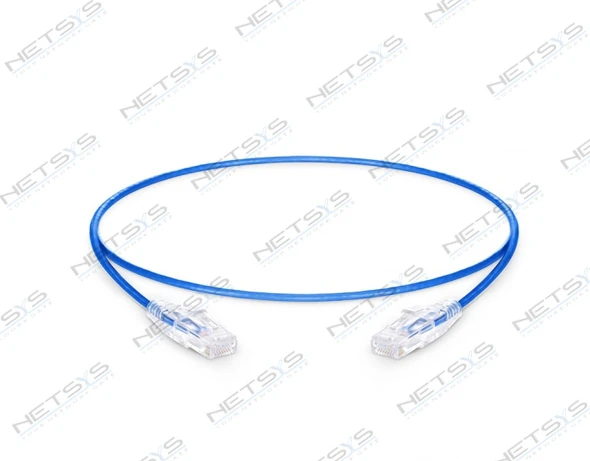
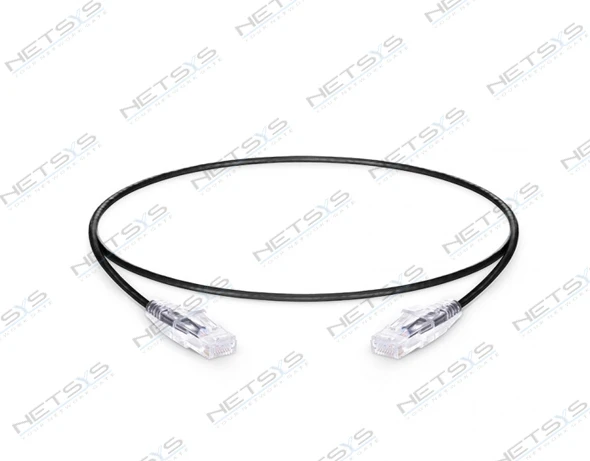
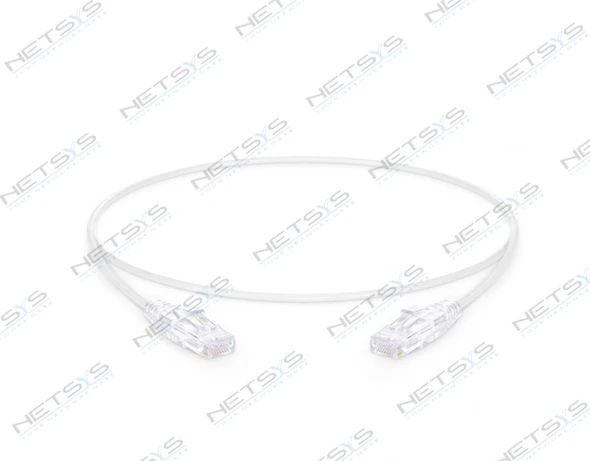
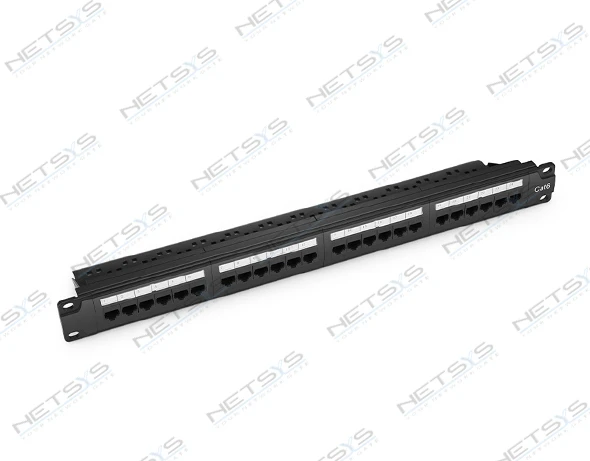
Digital technologies are changing fast, and we need high-speed networking more than ever. A strong network is key to smooth data flow in today’s world.

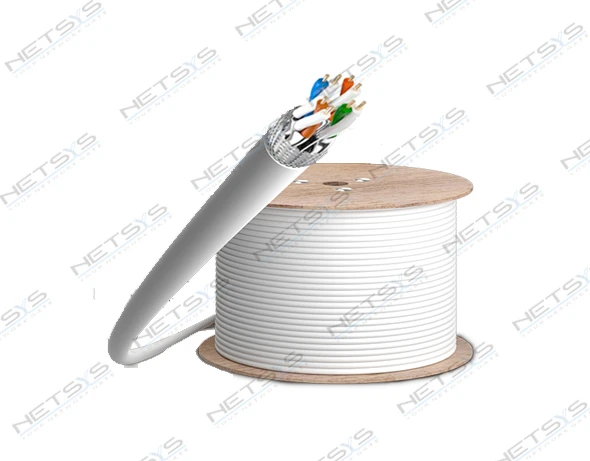
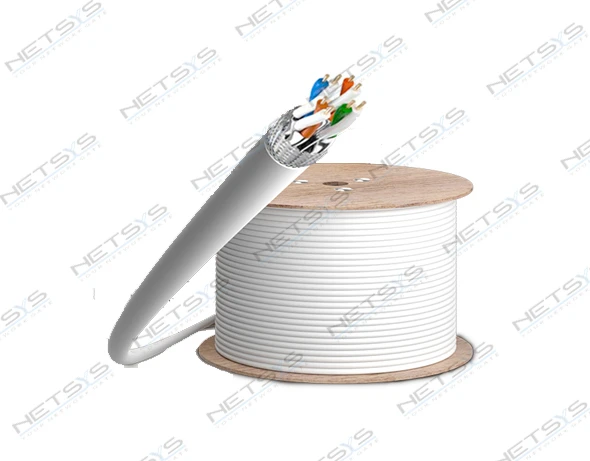
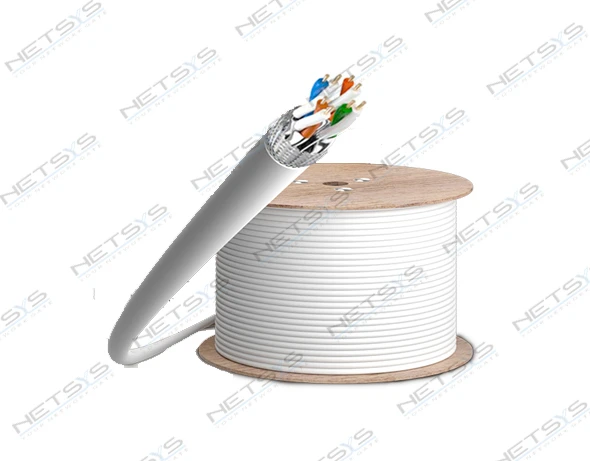
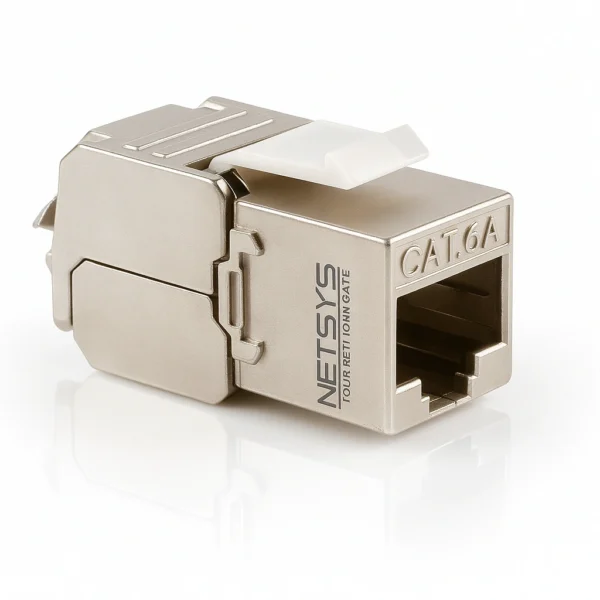
We’re moving towards high-bandwidth applications quickly. The Ethernet cable is getting better at keeping up. Cat-6A cable is leading the way, offering top-notch network performance. It can handle speeds up to 10 Gigabit and has bandwidth up to 500 MHz.
Key Takeaways
- Cat-6A cable supports high-speed data transmissions.
- It is designed for future-proofing network infrastructure.
- Cat-6A cable offers superior network performance.
- It supports speeds up to 10 Gigabit.
- Bandwidth capacity reaches up to 500 MHz.
What Makes Cat-6A Cable the Premium Choice
When it comes to top-notch network setup, Cat-6A cable is the go-to choice. Networks are getting faster and more reliable, and Cat-6A meets that need.
The Evolution of Ethernet Cabling Standards
Ethernet cabling has changed a lot, from Cat-5e to Cat-6 and now Cat-6A. Each step up has improved network performance. Cat-6A can handle up to 10-Gigabit speeds, making it perfect for today’s networks.
Key Differentiators of Cat-6A Technology
So, what makes Cat-6A special? It has higher bandwidth and frequency than before. It can handle frequencies up to 500 MHz, which means faster data transfer and better signal quality. Plus, it comes in different types for various uses.
Understanding Cat-6A’s role in network evolution shows why it’s the top pick. It’s ideal for data centers or office upgrades, offering the speed and reliability needed today.
Technical Specifications of Cat-6A Cable
Cat-6A cable is designed for today’s fast networks. It offers more bandwidth and frequency. This makes it perfect for businesses wanting to boost their network speed.
Bandwidth and Frequency Capabilities
Intelligent Network Solutions says Cat-6A cable can handle up to 10 Gbps. It supports frequencies up to 500 MHz. This means it’s ready for demanding network tasks.
Understanding the 10Gbps Performance Standard
The 10Gbps standard of Cat-6A cable is a big step up in Ethernet tech. It allows for quicker data transfers and supports more devices on a network.
500MHz Frequency Support Explained
The 500MHz frequency support of Cat-6A cable keeps signals strong at high speeds. This reduces data corruption and network downtime.
Maximum Length and Signal Integrity
Cat-6A cable keeps its signal quality over longer distances. This is key for big networks with long cable runs.
Key Benefits of Cat-6A Cable in Modern Networks
Cat-6A cable is a top choice for better network performance. It meets the needs of today’s fast-paced data use. Let’s look at why Cat-6A cable is key for modern networks.
Superior Speed and Performance
Cat-6A cable is made for fast data transfer. It supports up to 500 MHz bandwidth. This means networks can keep up with today’s apps without slowing down.
With Cat-6A, data moves at speeds much faster than older cables.
Enhanced Resistance to Interference
Cat-6A cable fights off alien crosstalk and EMI better. This is key in crowded spaces where many cables are near each other. Its better shielding and twisted design keep signals strong and clear.
Future-Proofing Your Network Infrastructure
Choosing Cat-6A cable is smart for the future of your network. As trueCABLE points out, it works well with future devices. This means your network can grow and change without needing big updates.
Benefit Description Superior Speed Supports up to 500 MHz bandwidth for high-speed data transmission Enhanced Resistance to Interference Minimizes alien crosstalk and EMI for stable connections Future-Proofing Compatible with future low-powered devices, reducing the need for frequent upgrades Comparing Cat-6A Cable to Other Ethernet Standards
Cat-6A cable is a big step up in Ethernet technology. But how does it compare to older and newer standards? As networks need faster speeds and better reliability, knowing the differences between Cat-6A and other standards is key. This helps you choose the right network setup.
Cat-6A vs. Cat-5e: Is the Upgrade Worth It?
Switching from Cat-5e to Cat-6A brings big gains in speed and bandwidth. Cat-6A can handle up to 500 MHz, way more than Cat-5e’s 100 MHz. This makes Cat-6A better for heavy data use and future-proofing your network. The main benefits are:
- Higher Bandwidth: Cat-6A has much more bandwidth, great for demanding tasks.
- Reduced Crosstalk: Alien crosstalk is less in Cat-6A, leading to more reliable data.
- Better Performance: Cat-6A works better in crowded areas.
Cat-6A vs. Cat-6: Notable Differences
While Cat-6 is popular, Cat-6A has some big upgrades. The main difference is in bandwidth and frequency. Cat-6A can go up to 500 MHz, double Cat-6’s 250 MHz. This means:
- Improved Speed: Cat-6A can support 10-Gigabit Ethernet over longer distances.
- Enhanced Reliability: Cat-6A’s better shielding cuts down on interference and boosts network reliability.
Cat-6A Cable Installation Best Practices
Installing Cat-6A cable correctly is key. It needs proper handling and termination to work well. Experts like Intellinet Network Solutions stress this.
Proper Handling and Bend Radius Considerations
When you install Cat-6A cable, treat it gently. The bend radius should be at least 4 times the cable’s outer diameter. This keeps the internal conductors safe from damage.
Avoiding Common Installation Mistakes
Some common mistakes include:
- Exceeding the maximum bend radius
- Not properly securing the cable
- Insufficient testing after installation
Tools Required for Professional Installation
For a pro job, you’ll need:
- Cable testers
- Crimping tools
- Cable strippers
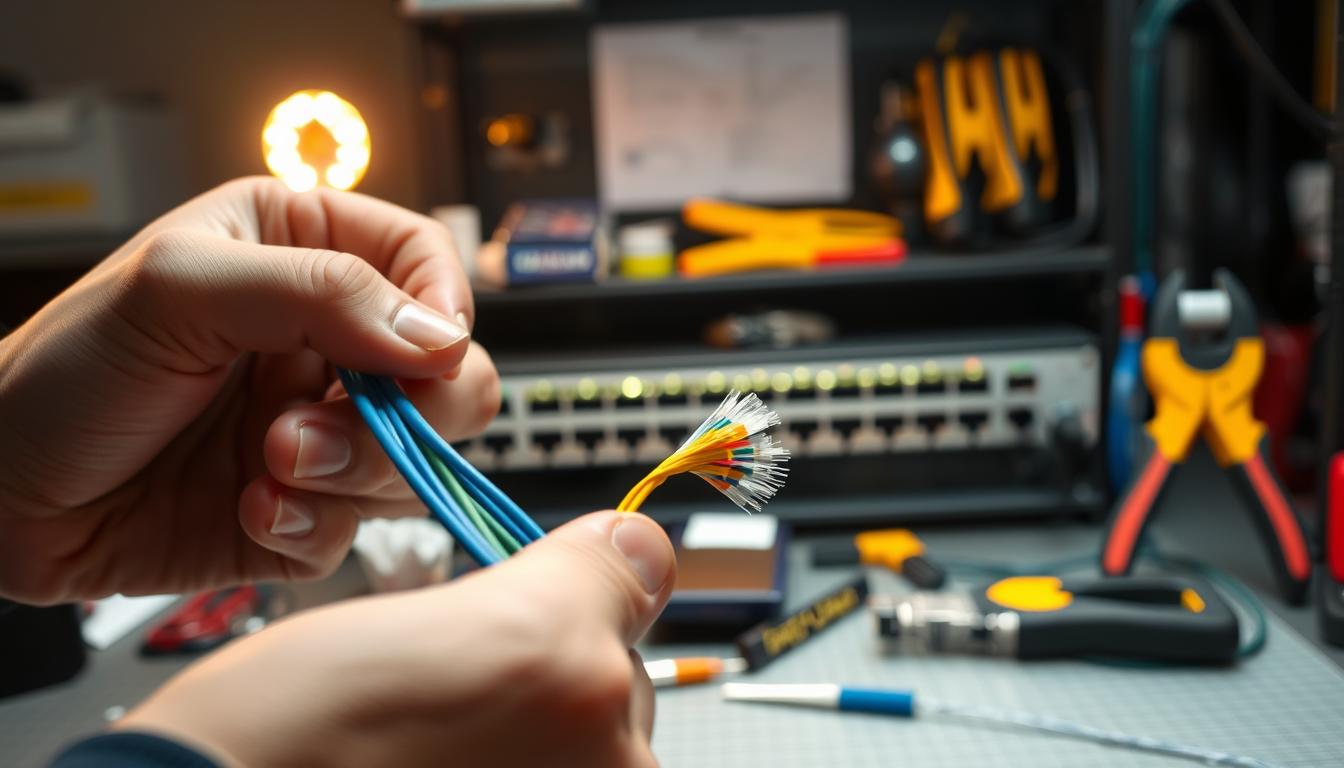
Termination Techniques for Optimal Performance
Termination is a key step. The right technique ensures top performance. Always follow the TIA/EIA-568 standard for Cat-6A cables.
Cost Analysis: Is Cat-6A Worth the Investment?
Deciding to use Cat-6A technology involves a cost analysis. Cat-6A cable costs more at first than older types. But, it’s key to look at the long-term gains and total cost of owning it.
Initial Costs vs. Long-Term Benefits
At first, Cat-6A cable costs more than older Ethernet standards. But, this investment makes your network future-proof. Cat-6A gives better speed and performance, so you might not need to upgrade soon.
- Higher bandwidth capabilities
- Enhanced resistance to interference
- Improved scalability for growing networks
These advantages mean saving money in the long run. You’ll spend less on upgrades and have less downtime.
Total Cost of Ownership Considerations
When looking at the total cost of Cat-6A cable, several things matter. These include:
- Installation costs
- Maintenance needs
- Potential for future upgrades
As true CABLE points out, Cat-6A might cost more upfront. But it offers long-term benefits and keeps your network up-to-date. Thinking about these points helps you decide if Cat-6A is a good investment.
Common Issues and Troubleshooting with Cat-6A Installations
Even though Cat-6A cable is top-notch, it can still face problems. It’s made for fast networking, but it’s not perfect. Keeping it well-maintained and installed right is crucial to avoid many issues.

Iidentifying and Resolving Performance Problems
Many Cat-6A issues come from bad connections, outside interference, or too-long cables. Network pros use special tools to find and fix these problems. Intellinet Network Solutions says regular checks can stop many Cat-6A issues. Fixing them might mean redoing connections, shielding cables, or arranging them better.
Maintenance Tips for Longevity
Keeping Cat-6A cables in good shape is key to their long life. Check them for damage, make sure connections are tight, and test signals often. Keeping cables tidy and labeled also helps with future fixes and upgrades. With these tips, network teams can keep their Cat-6A systems running smoothly for a long time.
Cat-6A Cable Market in Egypt
The Cat-6A cable market in Egypt is growing fast. This is because more people need fast networking solutions. Businesses and schools are upgrading their networks, leading to a higher demand for Cat-6A cables.
Local Standards and Compliance Considerations
It’s important to follow local standards and rules when using Cat-6A cables in Egypt. Making sure the cables fit the needed specs and are approved by the right bodies is key. Experts say, “Following local laws is not just a must but also vital for network reliability and efficiency.” We need to think about these points to make sure our network investments last.
Conclusion: Embracing the Future with Cat-6A Technology
Throughout this article, we’ve seen how Cat-6A technology is a big step forward in networking. It offers faster speeds, better performance, and is ready for the future. Cat-6A cable is made to keep up with new tech needs for years, as true CABLE points out.
By choosing Cat-6A technology, businesses in Egypt can make sure their networks are ready for today’s needs. This boosts their current work and sets a strong base for future growth and new ideas.
As the need for fast, reliable networks grows, using Cat-6A technology is a smart choice. It helps us build strong, efficient networks that meet the changing needs of businesses and schools.
FAQ
What is Cat-6A cable, and how does it differ from other Ethernet cables?
Cat-6A cable is a high-speed Ethernet cable. It supports data speeds up to 10Gbps and has a frequency of 500MHz. This makes it perfect for today’s fast networks. What are the key benefits of using Cat-6A cable in modern networks?
Cat-6A cable offers top-notch speed and performance. It also fights off interference well. Plus, it’s great for future upgrades, fitting the needs of today and tomorrow. How does Cat-6A cable compare to other Ethernet standards like Cat-5e, Cat-6, and Cat-7?
Cat-6A beats Cat-5e and Cat-6 in bandwidth and frequency. It’s also cheaper than Cat-7. So, it’s a great pick for many uses. What are the ideal applications for Cat-6A cable?
Cat-6A is best for data centers, schools, and busy offices. These places need fast data and reliability. What are the best practices for installing Cat-6A cable?
To install Cat-6A right, handle it carefully and follow bend radius rules. Use the right termination and test it to ensure it works well. Is Cat-6A cable worth the investment?
Cat-6A might cost more upfront. But, it saves money in the long run by needing less maintenance and upgrades. It’s a smart choice for many businesses. What are the common issues with Cat-6A installations, and how can they be resolved?
Problems with Cat-6A include performance issues. Fix these with the right troubleshooting and regular upkeep. This keeps your network running smoothly. Are there any local standards or compliance considerations for Cat-6A cable installations in Egypt?
Yes, Egypt has its own rules for Cat-6A installations. Make sure to follow these and work with suppliers who know the local laws. What is the maximum length of Cat-6A cable?
Cat-6A cable can’t be longer than 100 meters. This keeps the signal strong and performance top-notch. How does shielding impact the performance of Cat-6A cable?
Shielding is key for Cat-6A. It blocks electromagnetic interference, ensuring your data gets through clearly and fast.
